

In Japan, lost wallets come back. Why? The answer lies in how kids are raised.
Hello! It’s Mayu, coming to you from Hiroshima, Japan.
Welcome to my channel, ZEN Harmony Parenting.
Our mission is “Raising Future Global Leaders with the Teachings of Harmony,”
and I’m excited to share some lessons from Japanese parenting.

Today’s theme is a traditional Japanese phrase: ‘Otentou-sama ga miteru yo.’
It means ‘The sun is watching you,’ and it’s something many Japanese kids hear growing up
In Japanese, we sometimes say ‘The sun is watching’- a phrase similar in meaning to ‘Something Great is watching’ in English.

You might be thinking, “The sun? Watching me?”
Yes—and it’s not just poetic.
This simple phrase has helped shape generations of children in Japan to become kind, responsible, and morally grounded—even when no one is looking.

Children who grow up with this idea learn to do the right thing not for praise, but because it’s the right thing.
They’ll pick up trash, even if no one asks them to.
They’ll do their homework, even if no one checks.
And as adults, they become the kind of leaders others trust.
Today, I want to explore how this phrase—“The sun is watching you”—connects to a deeper cultural value in Japan, and why it may be one of the reasons lost wallets often come back to their owners here.

When I was little, my grandmother used to say this phrase to me all the time.
Especially when I was about to sneak a snack or get into mischief:
“Otentou-sama ga miteru yo.” “The sun is watching you”
It meant that even if no one else saw me, the sun did.
Or in other words, my own conscience knew.
In Japan, there’s a long-standing respect for nature, especially the sun.
It’s more than just a source of light—it’s a symbol of truth, clarity, and presence.
So saying “the sun is watching” gives children the feeling that they’re always seen—not in a scary way, but in a way that encourages honesty and integrity.
And this mindset isn’t just for kids—it shapes adult behavior, too.

Let me share a few real-life examples.
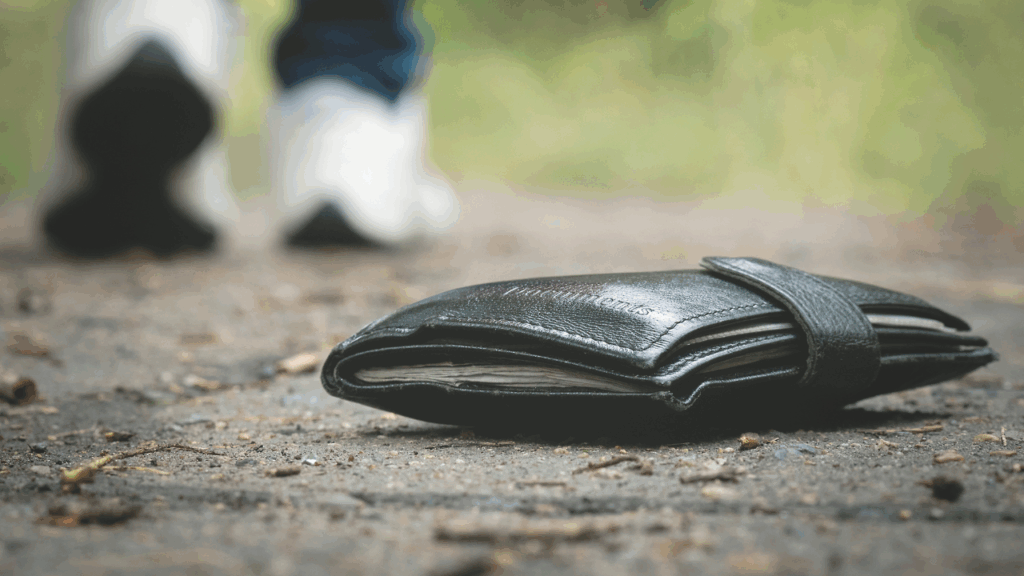
One day in Kyoto, a tourist from Malaysia dropped a wallet with over 80 US dollars inside. In most countries, that wallet would be long gone. But in Japan? Someone found it and turned it into the police—with every bill still inside. The tourist was so touched, they posted the story online—and it went viral.
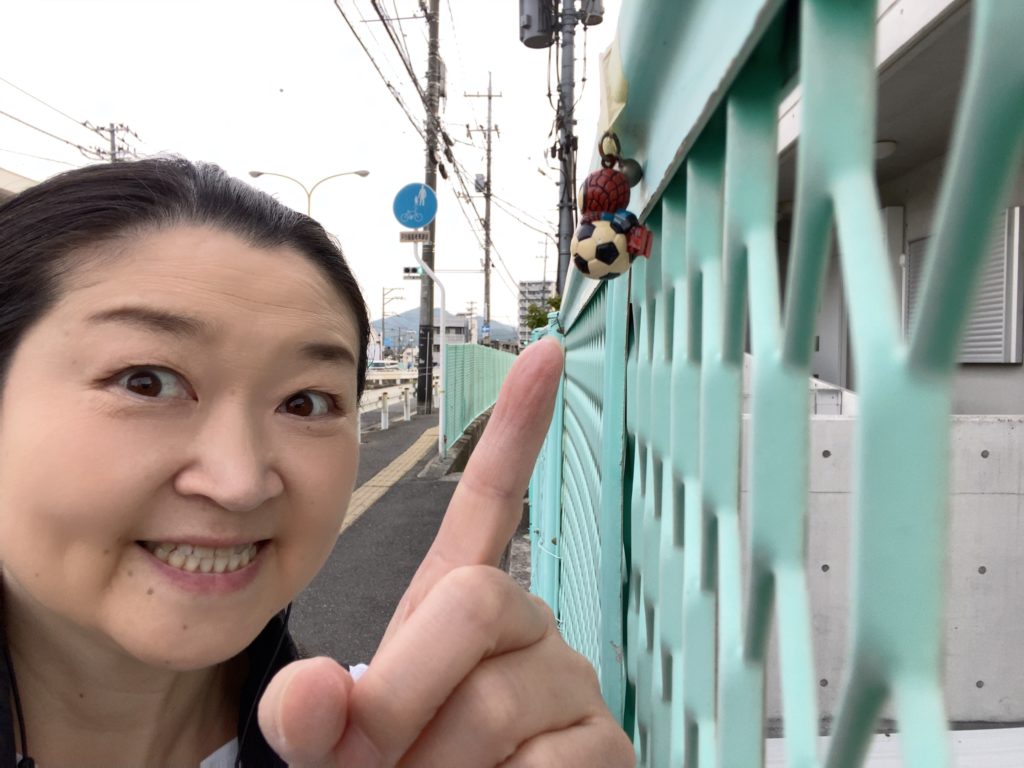
Another time, I saw something small but powerful in my neighborhood.
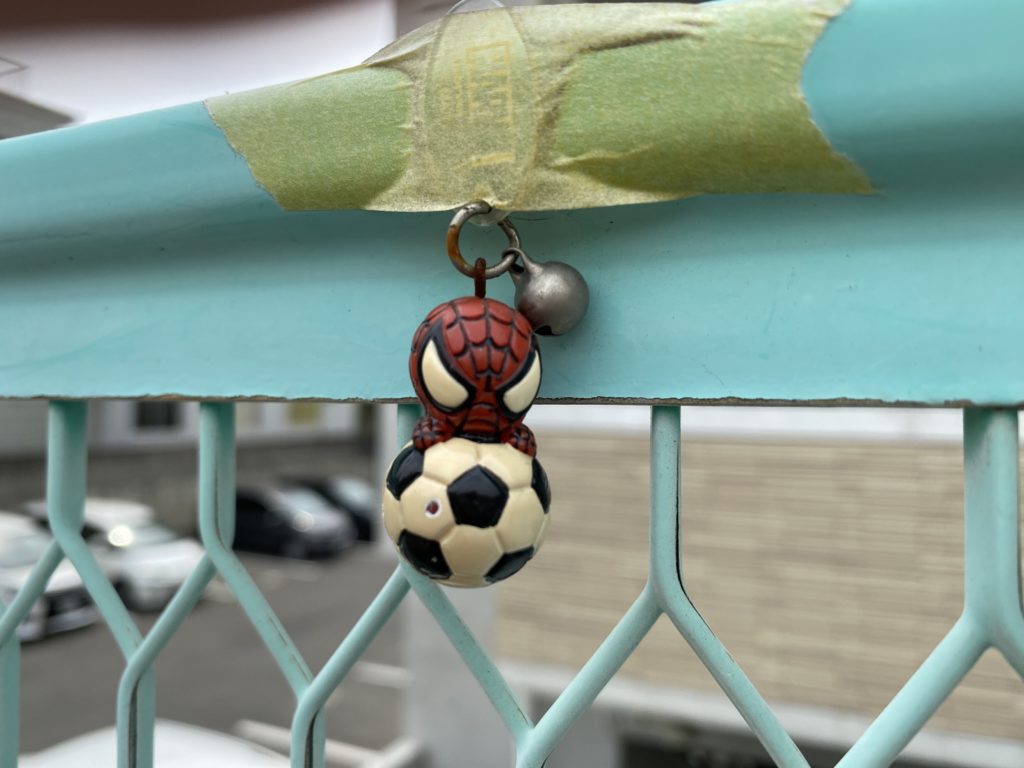
Someone had found a tiny Spider-Man keychain—just a toy—but instead of ignoring it or keeping it, they taped it carefully to a fence, right at eye level, where the owner might see it.
Why?
Because it’s not just about doing good when others are watching.
It’s about doing good because it’s the right thing to do.
And when you grow up thinking, “The sun is watching,” that sense of care becomes second nature.
Here’s a personal story.
When I was 7 years old, I found 100,000 yen—about $400 back then—on the ground after school.
In Japan, kids go to and from school on their own, so I was alone.
I picked it up and took it straight to the police.
They praised me, and later, the person who lost it showed their gratitude with a small cash reward.the person who lost it sent a thank-you note.
That experience stuck with me.
Not because of the praise—but because I realized I had made a decision I could be proud of.

It gave me confidence and taught me something powerful:
Even if no one else knows what you did— you do.
As we grow up, “the sun” becomes something deeper.
It turns into our inner self, our moral compass.
In sports, in business, in relationships—how we act when no one’s watching shows our true character.
It’s not about applause.
It’s about integrity.

And that’s why, to many Japanese people, “The sun is watching” isn’t a warning—it’s a quiet reminder of who we want to be.
And here’s something simple but powerful you can say:
When your child does something kind when no one is watching, say:
“The sun saw that.”
It may seem small—but that recognition can shape their heart for life.
So the next time they find a lost wallet, they’ll return it—without even thinking twice.

Of course, not every Japanese parent uses this phrase today.
Some just say, “Return lost items to the police.”
That works too.
But behind both messages is the same core value: do the right thing, because it’s right.
And that, my friends, is the quiet secret behind why a lost wallet comes back in Japan.
If you enjoyed this video and want to learn more about Japanese parenting, cultural values, and how to raise kind, globally minded children,
please like, share, and subscribe.
This is Mayu from ZEN Harmony Parenting.
See you in the next video.
ありがとうございます!