

Today’s theme is the importance of saying “thank you” and expressing gratitude. We’ll talk about how a habit of gratitude can guide your child to a better life.

In Japan, parents teach their children to say “thank you.” The word “thank you” in Japanese is “arigato,” which literally means “something rare and valuable.” It’s about more than just expressing thanks—it’s recognizing and respecting the inner value of the person you’re thanking.
Did you know that in Japan, we extend our gratitude to objects as well?
For example, when my daughter throws away socks that no longer fit or are worn out, she wraps them in paper and gently places them in the trash, saying, “Thank you very much.” Even though the socks can’t respond, this habit of expressing gratitude, even to “garbage,” might seem strange to some.
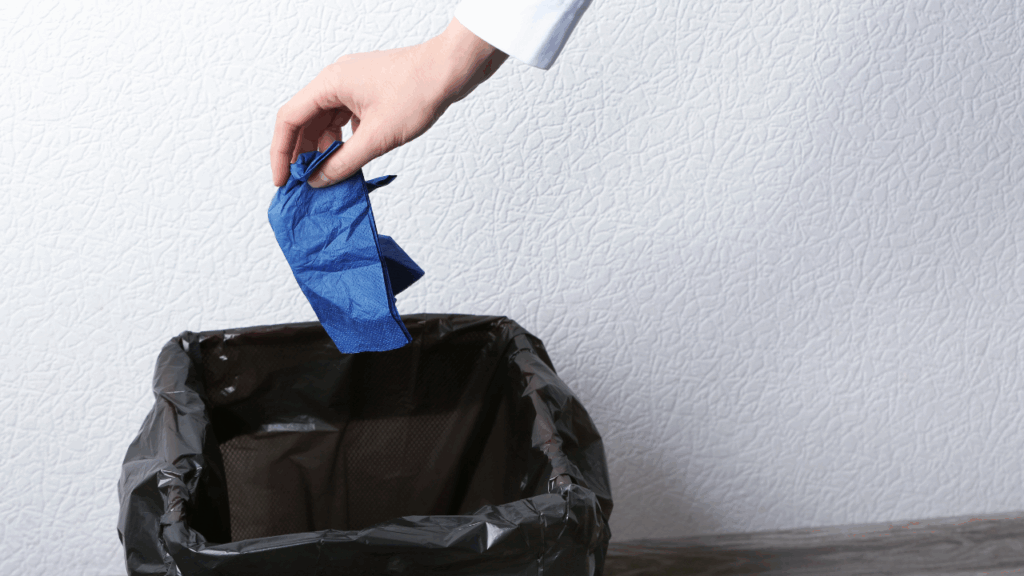
But my daughter has been doing this since she was seven years old. When clothing or toys become unusable, she always says “thank you” before throwing them away, appreciating how these items served her purpose. By being grateful, she learns to value things and, in turn, value people.

I do the same—when letting go of items, I say “thank you” from the bottom of my heart.
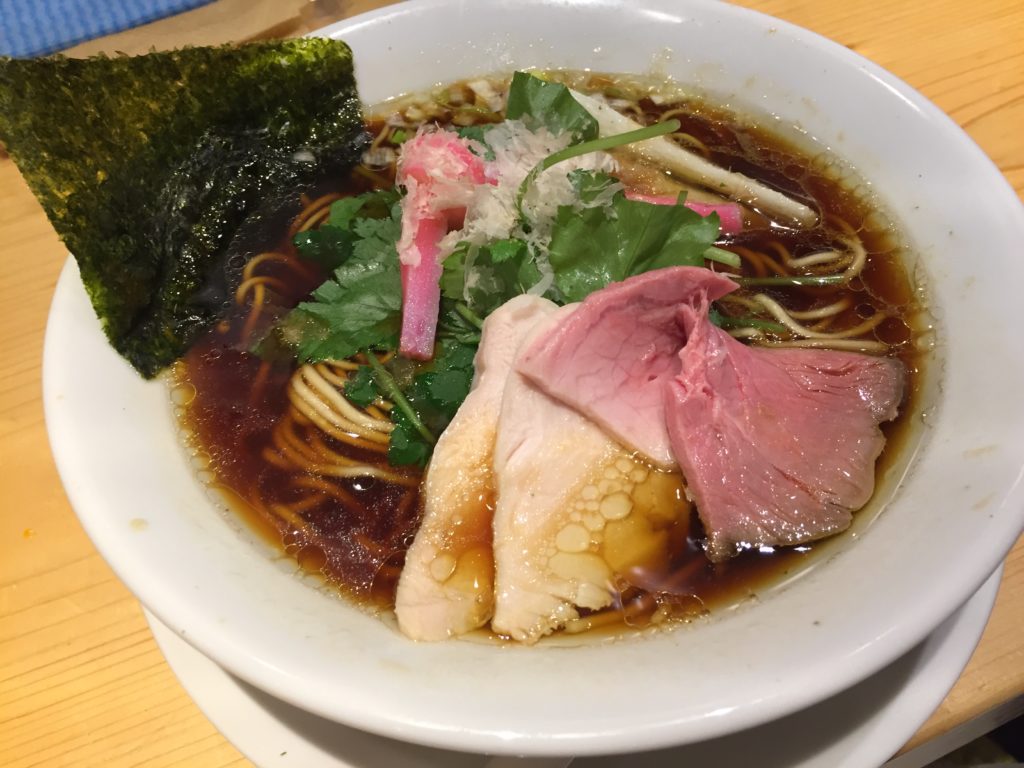
We also apply this gratitude to food. When food is in front of us, we are mindful of all the hands that contributed to its presence—the farmers, transporters, cooks, and more. This understanding nurtures a sense of gratitude for the food and the people involved in bringing it to our table.
Gratitude enhances our appreciation of objects, leading us to take better care of them. Gratitude for people leads us to cherish our relationships.
Most Japanese people share this philosophy of approaching both things and people with gratitude.
I’m sure you know “Panasonic”, the Japanese electronics company.
Konosuke Matsushita, founder of Panasonic, once shared a profound insight: ‘Gratitude has the power to transform the ordinary into the extraordinary. If you receive something and view it as worthless, its value remains low. But when you approach it with gratitude, you discover its worth and make better use of it. In this way, I believe gratitude can turn iron into gold.’”

This mindset, I believe, contributed to Panasonic producing high-quality products and establishing the global reputation of Japanese goods.
Not only that, expressing gratitude has scientifically proven benefits. According to Dr. Robert Emmons at the University of California, people who practice gratitude have stronger immune systems, feel happier, and are more sociable and generous. Interestingly, saying “thank you” benefits the person expressing it more than the one receiving it.
So, saying “thank you” and being grateful is also for your benefit.
When you use an item or eat a meal, take a moment to think about the people behind it and express your gratitude. Incorporate this habit into your parenting, and it will surely guide your child toward a good life.
ピンバック: Why Japanese Parenting Is Needed | ZEN Harmony Parenting - ZEN Harmony Parenting